
- Email us at
[email protected] - Questions? Give us a call
503-773-6949
Milwaukie Certified Asbestos Testing
Accredited Asbestos Testing for Milwaukie
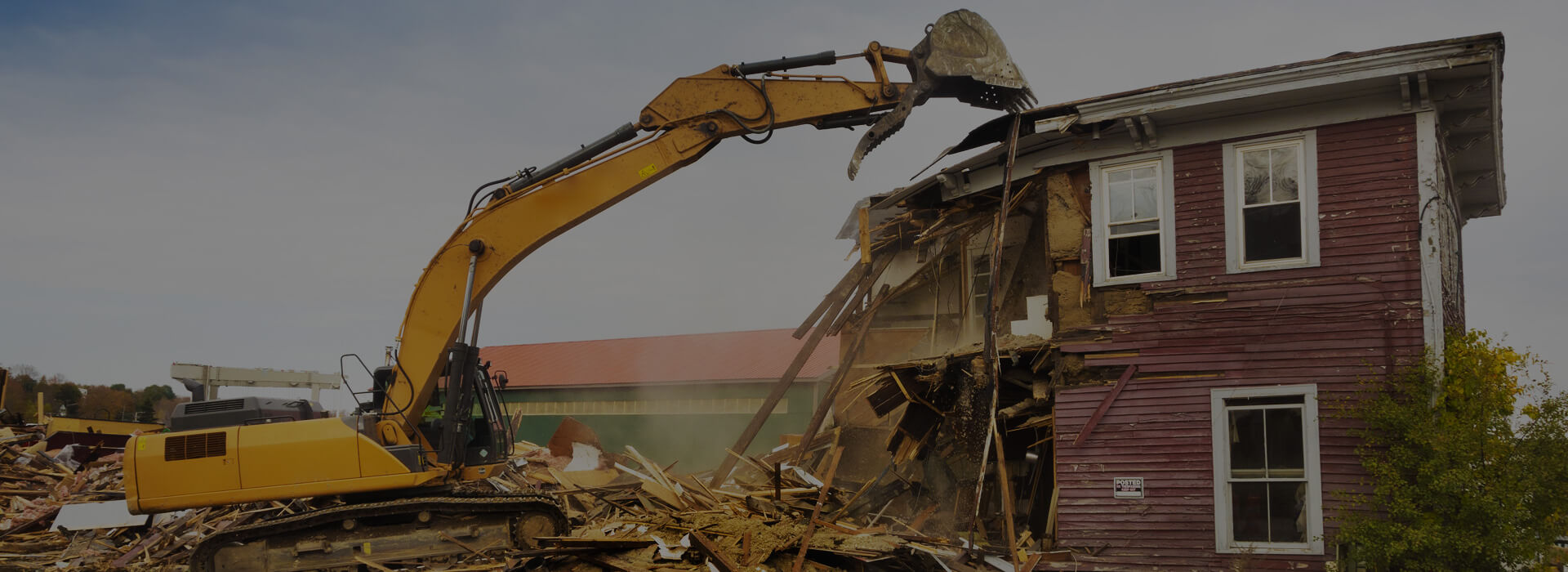
Milwaukie’s identity as one of the oldest settlements in the Willamette Valley comes with a construction legacy that demands attention during any renovation or demolition project. This compact city along the Willamette River contains a dense concentration of mid-century homes — the ranch houses, bungalows, and small apartment buildings of the 1940s through 1970s that form the backbone of neighborhoods like Ardenwald-Johnson Creek, Historic Milwaukie, and Lewelling. These structures were built during the height of asbestos use in American construction, and certified testing is required before any of them can be safely renovated or demolished.
But why does Milwaukie’s building age matter so much for asbestos? Because the mid-century construction that dominates this city used asbestos-containing materials as a matter of routine. Floor tiles, pipe insulation, roofing products, siding, and joint compounds from that era frequently contain chrysotile or other asbestos fibers. When these materials are cut, broken, or demolished during a construction project, they release those fibers into the air — creating an invisible hazard that causes fatal lung disease. Oregon DEQ requires a certified asbestos survey before any demolition project in Milwaukie, and there are no exceptions for small jobs or residential properties.
Prodan Construction offers certified asbestos testing for residential and commercial properties throughout Milwaukie — from the Kellogg Creek neighborhoods to the MAX Orange Line corridor. Our DEQ-accredited inspectors provide thorough sampling and laboratory-confirmed results. Call today to schedule your Milwaukie asbestos inspection and protect your project.
Where You Might Encounter Asbestos During Demolition in Milwaukie
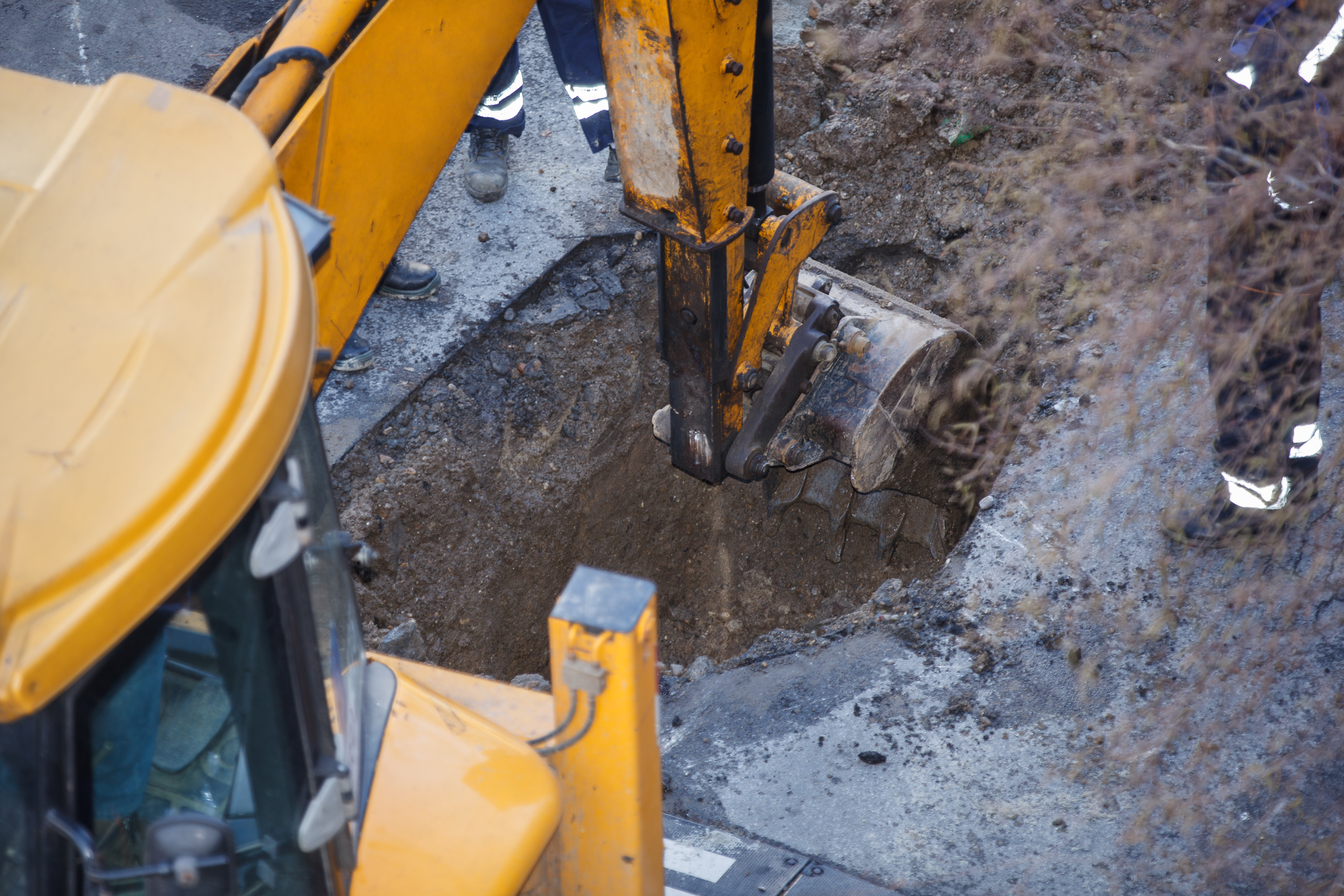
Asbestos found during Milwaukie renovation and demolition projects is typically in nonfriable form — bound within solid building materials that remain stable under normal conditions. This is what allows asbestos to go undetected for decades in otherwise well-maintained homes. The fibers only become hazardous when the material containing them is mechanically disrupted by cutting, sanding, hammering, or demolishing. In Milwaukie, where many homeowners are upgrading mid-century properties to compete with newer construction along the MAX Orange Line corridor, the risk of disturbing nonfriable ACMs during renovation is a daily reality.
Specific nonfriable ACMs that Prodan Construction regularly identifies in Milwaukie include vinyl floor tiles in the nine-inch-square format popular from the 1950s through the 1980s, the dark mastic adhesive under those tiles, cement fiber siding, asphalt roofing shingles and underlayment felt, window glazing putty, pipe insulation on boiler and furnace systems, drywall joint compound, and textured ceiling finishes. In the commercial and industrial buildings along McLoughlin Boulevard and Lake Road, additional ACMs such as transite flue pipes, electrical panel backing, and boiler lagging are common. Every suspect material should be tested before work begins.
- Attic insulation (vermiculite and loose-fill)
- Drywall joint compound
- Vinyl floor tiles and sheet flooring
- Window glazing and putty
- Pipe insulation and lagging
- Roofing shingles and felt
- Popcorn ceiling texture
- Duct tape and mastic on HVAC systems
- Cement siding (transite)
- Fireproofing spray on structural steel
- Electrical panel backing boards
- HVAC duct insulation
- Caulking around windows and door frames
While the most aggressive use of asbestos in construction occurred between the 1930s and mid-1970s, products containing asbestos fibers persisted in the marketplace through the late 1980s. Milwaukie’s building stock — dominated by homes from the 1940s through 1970s — falls squarely within the peak asbestos era. Even properties that have been remodeled may still contain original asbestos materials beneath updated surfaces. A kitchen renovation that installs new flooring over old tiles, for example, does not eliminate the asbestos in the original tiles — it simply conceals it. Only laboratory analysis of physical samples can confirm or rule out asbestos in any specific material.
How Milwaukie Certified Asbestos Testing from Prodan Construction Works
When you engage Prodan Construction for certified asbestos testing in Milwaukie, the process starts with a detailed on-site inspection by our accredited inspector. The inspector examines every room and accessible space, identifying materials that may contain asbestos based on their type, age, and installation method. Each suspect material is sampled by dampening the area, extracting a small section, sealing it in a labeled container, and recording its location. Samples go under chain of custody to an accredited lab for polarized light microscopy analysis. Standard results arrive in three to five business days, with expedited turnaround for urgent projects. You receive a complete written report mapping every tested material and its result.
DEQ Asbestos Information | Materials That May Contain Asbestos | Metro Asbestos FAQ
Pricing
Setup Fee: $350
Per Sample: $54
Expedited Per Sample: $74
What Happens After the Test?
Positive asbestos results mean the identified materials must be professionally removed or encapsulated by a licensed abatement contractor before any demolition or renovation continues. Abatement involves sealing the contaminated area, operating negative air pressure systems, removing ACMs with wet suppression methods, and packaging all waste for disposal at an approved site. Post-abatement air monitoring confirms the space is safe. Prodan Construction can connect you with qualified abatement contractors in the Milwaukie area and help manage the transition from testing to remediation to active construction.
Prodan Construction brings detailed knowledge of Milwaukie’s construction patterns to every asbestos inspection. We know the mid-century building products that dominate this city, we understand the specific ACMs to look for in homes from each decade, and we navigate the Clackamas County regulatory framework efficiently. Whether your project is a cottage cluster development on a lot with an existing 1950s ranch, a commercial renovation along McLoughlin Boulevard, or a full teardown in the Linwood neighborhood, our certified testing provides the foundation for safe, compliant work.
What Is the Purpose of Asbestos in Milwaukie Structures?
Asbestos is a group of naturally occurring fibrous minerals found in rock deposits on every inhabited continent. Valued since ancient times for its fire resistance, asbestos became the construction industry’s go-to material for insulation, fireproofing, and structural reinforcement during the twentieth century. In Milwaukie, where the built environment reflects seven decades of continuous development, asbestos is present in building products spanning every major construction era — from the wartime 1940s through the suburban expansion of the 1980s. Its ubiquity in mid-century construction makes it a near-certain presence in the city’s older buildings.
History of Asbestos in the US
American asbestos consumption rose from modest levels in the early 1900s to enormous quantities by mid-century, peaking in the 1960s and early 1970s. During this period, the material was a standard ingredient in insulation, flooring, roofing, siding, and fireproofing products used in every type of construction. Milwaukie’s growth during these decades meant that its homes, apartments, and commercial buildings absorbed the full range of asbestos-containing products. Evidence of health harm was documented as early as the 1930s, but the regulatory response was delayed by decades. The Clean Air Act of 1970 began federal oversight, and Oregon DEQ adopted complementary rules that now require certified asbestos surveys before any demolition or renovation project in Milwaukie.
The Health and Safety Problems with Asbestos
Inhaling asbestos fibers causes progressive, irreversible damage to lung tissue. The fibers are microscopically thin — far smaller than a human hair — and they travel deep into the lungs, where they become permanently lodged. The body cannot dissolve, expel, or neutralize these fibers. Instead, the immune system responds with chronic inflammation that slowly destroys the surrounding tissue. In many victims, the persistent cellular damage caused by the fibers leads to malignant growths that are extremely difficult to treat. There is no known safe level of asbestos exposure.
Asbestos-related diseases are characterized by extraordinarily long latency periods — typically fifteen to forty years between exposure and the onset of symptoms. This extended timeline means that a Milwaukie homeowner who breathes in asbestos dust during an unprotected renovation may not experience any health effects for decades, creating a false sense of security that the exposure was harmless. In reality, the fibers are doing damage from the moment they enter the lungs. The three primary diseases associated with asbestos inhalation are:
- Asbestosis — chronic scarring of lung tissue that progressively reduces breathing capacity
- Mesothelioma — an aggressive cancer of the lining of the lungs, abdomen, or heart almost exclusively caused by asbestos exposure
- Lung cancer — risk is significantly elevated by asbestos exposure, especially in combination with smoking
A standard dust mask from the hardware store cannot protect you from asbestos. The fibers are too small and too numerous — measured in single-digit microns — for any filter that lacks HEPA-level technology. Only a properly fitted NIOSH-approved respirator with P100 HEPA cartridges provides adequate protection, and even this equipment requires professional training to use effectively. When it comes to asbestos, there is no safe halfway measure — either the work is done by certified professionals with proper equipment, or it is not done safely at all.
Federal Regulations Concerning Asbestos
Three foundational federal statutes govern asbestos regulation in the United States. The Clean Air Act identified asbestos as a hazardous air pollutant and led to the National Emission Standards for Hazardous Air Pollutants, which set requirements for managing asbestos during demolition and renovation. The Toxic Substances Control Act gave the EPA authority to evaluate, test, and restrict chemicals posing unreasonable risk. The Asbestos Hazard Emergency Response Act focused on schools, requiring asbestos inspections and management plans that have since become the procedural standard for buildings of every type.
The EPA enacted a near-complete ban on asbestos in 1989, but a federal court reversed most of the rule in 1991. The remaining partial ban prohibits new uses of asbestos while allowing continued production and sale of products that were already commercially available. This means asbestos has not vanished from the construction materials market, even though its use is drastically reduced. For Milwaukie property owners, the takeaway is straightforward: test before you disturb, because visual inspection cannot determine whether any material contains asbestos.
Prodan Construction serves Milwaukie as Certified Asbestos Testers
Video: Asbestos Hazards in Renovations, Restoration, and Demolition
Quick Links
Services
Contact Us
- Address:
20500 SE Hwy 212, Damascus, OR 97089 - Phone:
503-773-6949 - Email:
[email protected]

Oregon CCB # 176278